International Group B Awareness Month

Group B Streptococcus (GBS) is a significant cause of babies worldwide being stillborn, being born prematurely, becoming sick and having lifelong health challenges.
GBS is a type of bacteria commonly found in the gastrointestinal system, or gut, and the urogenital system, including the urethra and vagina. The bacterium is usually harmless in healthy adults. In newborns, however, it can cause a serious illness known as group B strep disease.
Sadly, approximately one in every 16 babies who develop group B Strep infection during their first 3 months die, and around one in every 10 of the survivors have a long-term disability.
There are two types of GBS disease in babies:
- Early-onset disease (EOGBS) which happens during the first week of life. Babies often have symptoms within 24 hours of birth.
- Late-onset disease (LOGBS) which develops weeks to months after birth. This type of GBS disease is not well understood.
Newborns and infants with GBS disease might show these signs:
- a fever
- irritability or fussiness
- abnormal breathing sounds, such as ‘grunting’ with each breath out
- difficulty breathing or breathing too fast or slow
- sleepiness and not interested in feeding
- vomiting
- having trouble keeping their temperature at the right level (being too hot or too cold)
- looking pale or blotchy
- floppy arms and legs
If you notice any of these signs in hospital or at home, it is important that you contact your healthcare provider straight away.
Our Nurture E Information Hub is a great resource to assist you and your family through different life stages of your growing and developing child beyond the baby, infant and toddler years. To find out more information about Group B Streptococcus, click HERE.
The Experience:
Miracle Mum, Philippa is a Miracle Babies NurtureProgram Information & Consumer Representative Team Leader. Philippa is a mum to three children, two of which have spent time in either a SCN or NICU. Her son Tristan was born at 37 weeks with Strep B and spent a short time in the Royal Brisbane and Women’s Hospital SCN.
"Tristan was born 37 weeks via c-section at the Royal Brisbane and Women’s Hospital in Queensland in April 2013. They first noticed that he was having trouble breathing due to fluid on his lungs. He also had a very high temperature.
He was whisked away to the Special Care Unit and put on oxygen in an incubator. They took some bloods, and they came back showing that he had contracted Group Strep B and we were both put on IV antibiotics. It is extremely rare to be diagnosed with Strep B when birthed by a cesarean. I was not tested during pregnancy but after one week in SCN, we were discharged home.
Tristan then went on to have Late-onset disease (LOGBS) which develops weeks to months after birth. At 6 weeks of age, Tristan was diagnosed with GBS Meningitis which is an infection of the fluid and lining around the brain. Meningitis is more common with late-onset GBS disease and, in some cases, can lead to hearing loss, vision loss, learning disabilities, seizures, and even death.
 (1000 × 300 px).png)
Tristan is now 13 years old and is in high school. He lives with vision loss, ADHD, epilepsy, hypermobility, asthma and learning disabilities.
He receives Orientation and Mobility services, physiotherapy and specialist support to help him navigate school and everyday life.
Tristan has a passion for helping others and loves being involved in Emergency Cadets. He also enjoys playing volleyball and is determined to achieve his dream of becoming an Anaesthetic Technician in the future.
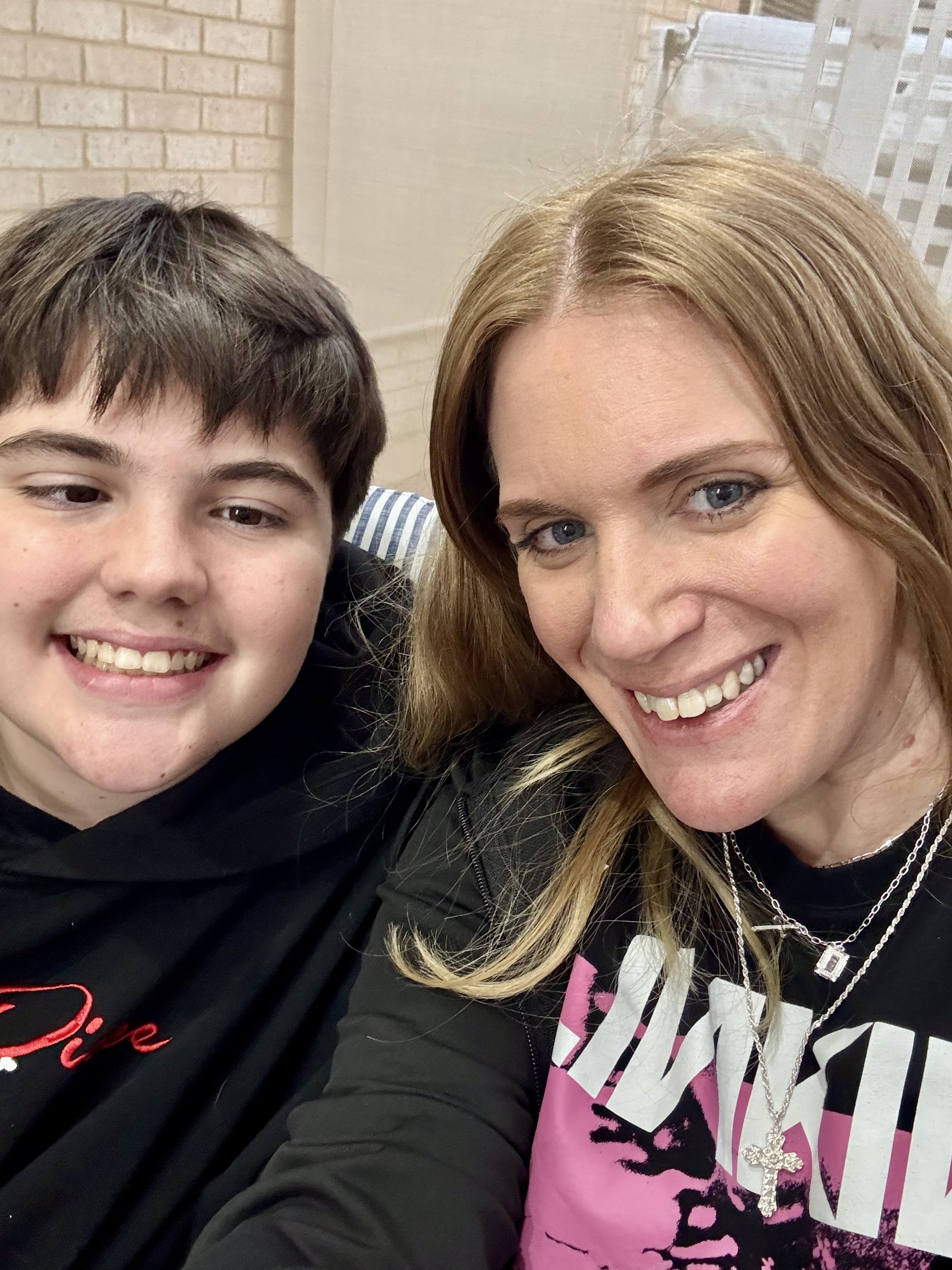
In 2026, Miracle Babies Foundation was proud to be represented at the GBS Symposium, where our Information and Consumer Representative Team Leader, Philippa Grimston, shared her lived experience through the story of her son, Tristan, who was born with GBS. Her presentation is below.
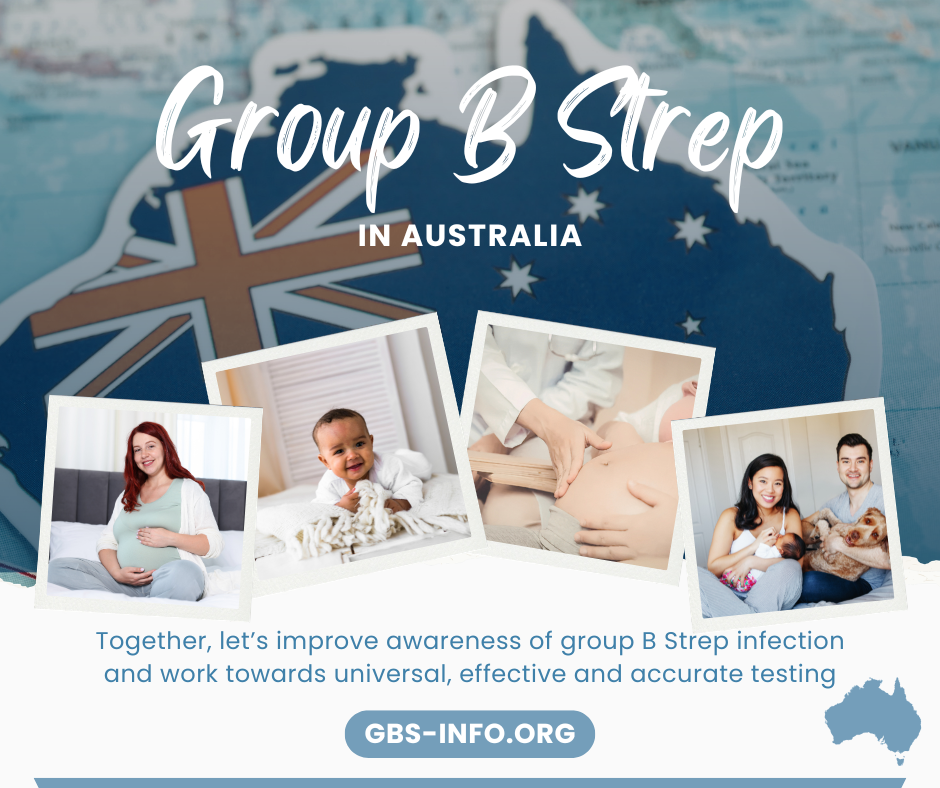
Miracle Babies Foundation is proud to have collaborated with The University of Western Australia, PATHWEST Laboratory Medicine WA and Group B Strep International on the recently published 'Group B Strep in Australia' webpage, helping provide trusted information for families and health professionals in Australia. To view the page please below.