5 November 2026
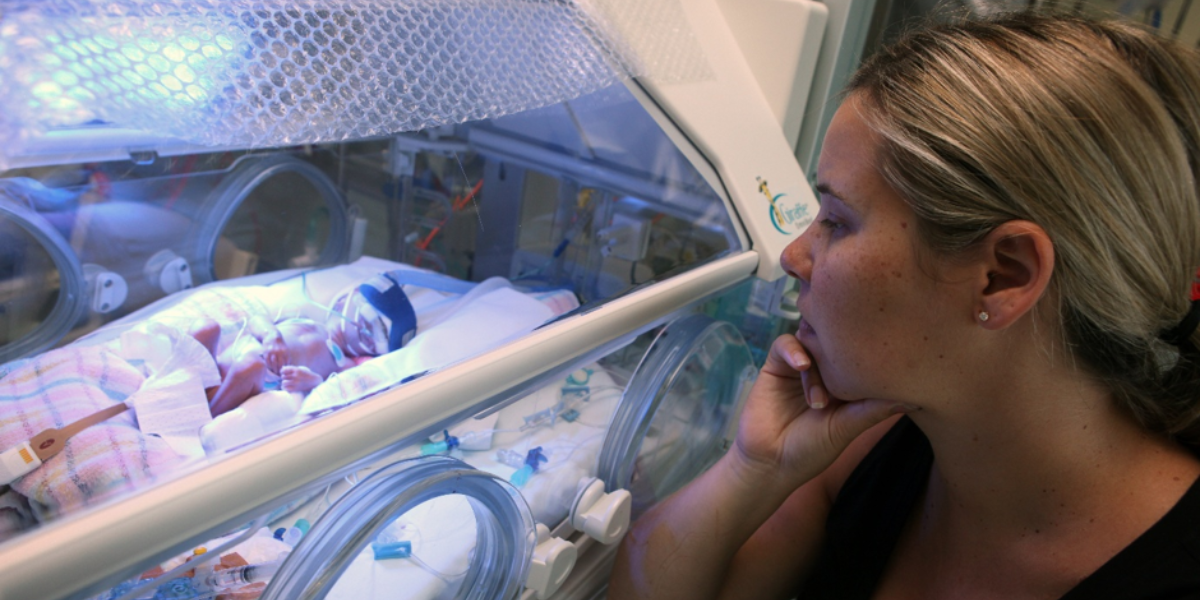
Australia's NICU Support for Babies Born Requiring Specialised Neonatal Care: Why We Are Lagging Behind Global Standards and What Needs to Change
By Felicity McDonald, Grants Officer at Miracle Babies Foundation.
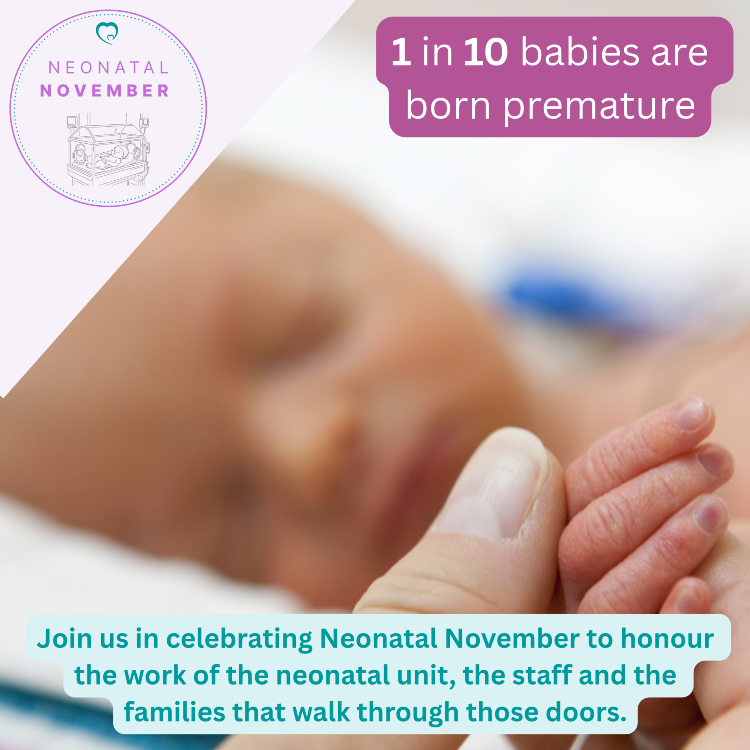
November 15 marks World Prematurity Day, a day created to raise awareness of the challenges and burden of preterm birth globally. While the
The Australian Government recognises the importance of providing additional paid parental leave to its own employees under the Paid Premature Birth Leave entitlement and recently, following similar entitles to NSW Government employees, the Victorian Government announced changes allowing eligible employees working in Victorian government schools to access extended paid parental leave when their baby is born prematurely or experiences a complication or illness during or following birth.
However, the Australian Government has yet to extend this level of support to all Australian families. In its current form, the Australian PPL scheme is ‘one size fits all’ and does not account for the additional emotional, practical and financial needs of NICU families.
In Australia, approximately 18% of newborn babies are admitted to a Neonatal Intensive Care Unit (NICU) or Special Care Nursery (SCN) each year. While most babies will be discharged home soon after birth around 14,000 babies will spend more than 2 weeks in hospital, some as long as six months. General parental leave entitlements simply do not adequately account for the weeks or months premature babies must spend in neonatal intensive care.
Australia is falling behind
The Swedish system, often cited as the ‘gold standard’ for parental leave, is designed so that families with premature babies do not have to use their precious bonding leave while their child is fighting for survival in the hospital. If a baby is born prematurely and requires neonatal intensive care (NICU), the parents can preserve their substantial 480-day standard parental leave allocation until the baby is healthy enough to be discharged home.
In Ireland, mothers of premature babies (born before 37 weeks of gestation) are entitled to an extension of their paid maternity leave and Maternity Benefit equal to the time between the actual date of birth and the date their maternity leave would have normally started. The UK, New Zealand, Croatia, Finland, and Canada all legally mandate or extend paternity/parental leave allowances or benefits when a baby is born prematurely or requires extended hospital stays.
In contrast, Australia's federal statutory scheme does not grant extra paid weeks if a baby is admitted to a NICU or Special Care Nursery (SCN), meaning parents often exhaust a large portion of their paid leave while the baby is still hospitalised. If baby does not come home, then sadly this family would miss out on precious time they will never get back.
The Support Gap: Why NICU Parents Need More
In a 2022 study conducted by the Miracle Babies Foundation and The University of Melbourne, the financial impact on families of preterm and sick babies cited 43% used government paid parental leave during hospitalisation. The research found 83% of families surveyed experienced additional financial impacts on their family above the normal expected impact of having a newborn as a result of having a baby born requiring specialised hospital care. And 95% of mums couldn’t work while their babies were in the Neonatal Unit.
In response to these findings, The Neonatal Critical Care Alliance initiated by Miracle Babies Foundation and co-lead by The University of Melbourne was created to advocate vital policy change. Miracle Babies Foundation received over 10,000 signatures on its Commonwealth Petition for policy change in 2023. The spectrum of organisations who have joined the Alliance is a testament to the diverse range of families that will benefit from the proposal.
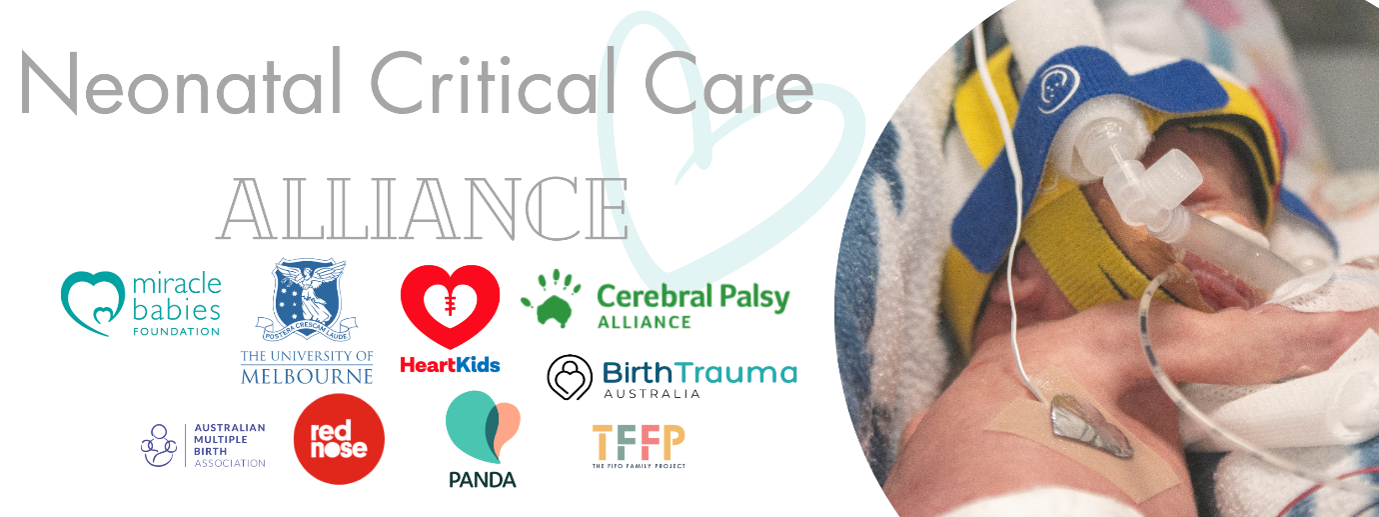
The proposal set forth by the Neonatal Critical Care Alliance is for families with babies spending more than 2 weeks in hospital, an additional 1 week of pay per week be granted (up to 14 weeks). Plus, a capped additional 2 weeks for Dad/Partner.
The investment the Australian Government is making in initiatives such as Every Week Counts is a step in the right direction, however, outcomes predominately pertain to preventing late preterm or early term birth. This does not cater to the needs of extremely premature babies, who are now being resuscitated as early as 22-23 weeks gestation.
Megan Bater, a consultant RN in the Neonatal Intensive Care Unit at Women’s and Children’s Hospital, Adelaide, says she sees parents every day that are impacted financially and professionally by the sudden, unexpected preterm birth of their baby;
“Both mothers and fathers juggle meeting the comfort and safety parenting needs of their preterm hospitalised infant, and the financial pressure that requires them to continue to work during this very stressful, demanding time”
These families face long traumatic journeys and experience significant impacts on their mental and physical health, including increased risk of anxiety, depression, post-traumatic stress and attachment difficulties. These emotional and psychological impacts are fuelled by factors such as parents’ separation from, and ongoing health concerns for their babies as well as acute financial stress. In the University of Melbourne study, 83% of respondents reported moderate to extreme anxiety/depression during hospitalisation and 67% reported moderate to extreme anxiety/depression in first year after discharge.
“We are advocating for changes that will support the whole family unit. We strongly believe that all babies should be discharged from hospital with the same amount of paid parental leave entitlements as all full-term healthy babies. This entitlement should not have to be used while baby is in neonatal care for weeks or months before coming home.” - Kylie Pussell OAM, CEO and Co- Founder of Miracle Babies Foundation
Adding to the financial pressure, these vulnerable babies are urged to avoid childcare until at least two years old, with medical guidelines often recommend avoiding group childcare for vulnerable infants due to extreme risks from respiratory illnesses like RSV, chronic lung disease, or underdeveloped immune systems. The social security safety net treats this under general disability or medical care frameworks, which many families find difficult to qualify for.
Supporting parents is part of caring for babies
Giving parents unrestricted access to their baby, including hands on involvement, transforms and humanizes the NICU experience. Family Integrated Care (FICare) is proven to reduce some of the effects of trauma associated with pre-term birth and improve parental mental health outcomes. It also improves clinical outcomes for the infant and leads to shorter hospital stays.
"FICare is a collaborative model of neonatal care which aims to address the negative impacts of the neonatal intensive care unit (NICU) environment by involving parents as equal partners, minimizing separation, and supporting parent‐infant closeness... Implementation requires multi‐disciplinary commitment... as professionals relinquish power and control to instead develop collaborative partnerships with parents."
— Patel et al. (Family Integrated Care Framework)
The impacts of being afforded time to spend with their baby in the NICU without the added burden of financial pressure, are resoundingly positive, including infant weight gain, decreased parent stress and anxiety, and increased high-frequency exclusive breastmilk feeding at discharge.
Jo Bell, Clinical Lead of FICare at The Royal Women's Hospital in Melbourne believes the introduction of FICare marks a ‘cultural change’ in how babies are cared for in the NICU;
" It enhances our current family-centred care model by taking parental involvement to a new level... Studies have shown that preterm babies have better health outcomes when their parents are actively involved in their care.
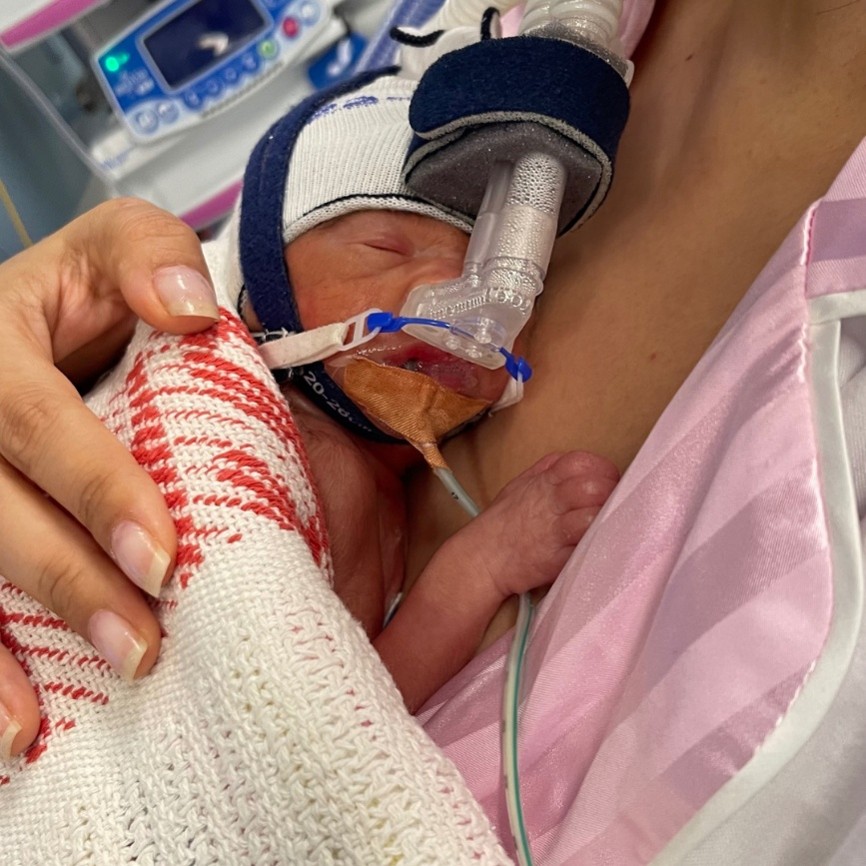
It’s Time to Give NICU Families the Parental Leave They Need
The Neonatal Critical Care Alliance calls on the Australian government to fulfil its obligation to parents of premature and sick babies. The responsibility for providing additional paid parental leave should not fall on employers, especially small businesses that are already under financial strain. Additional Paid Parental Leave for NICU families must be a government-led initiative that ensures equitable access to parental leave for all Australian families. Australia cannot leave these vulnerable families behind.
Voices behind the call for change
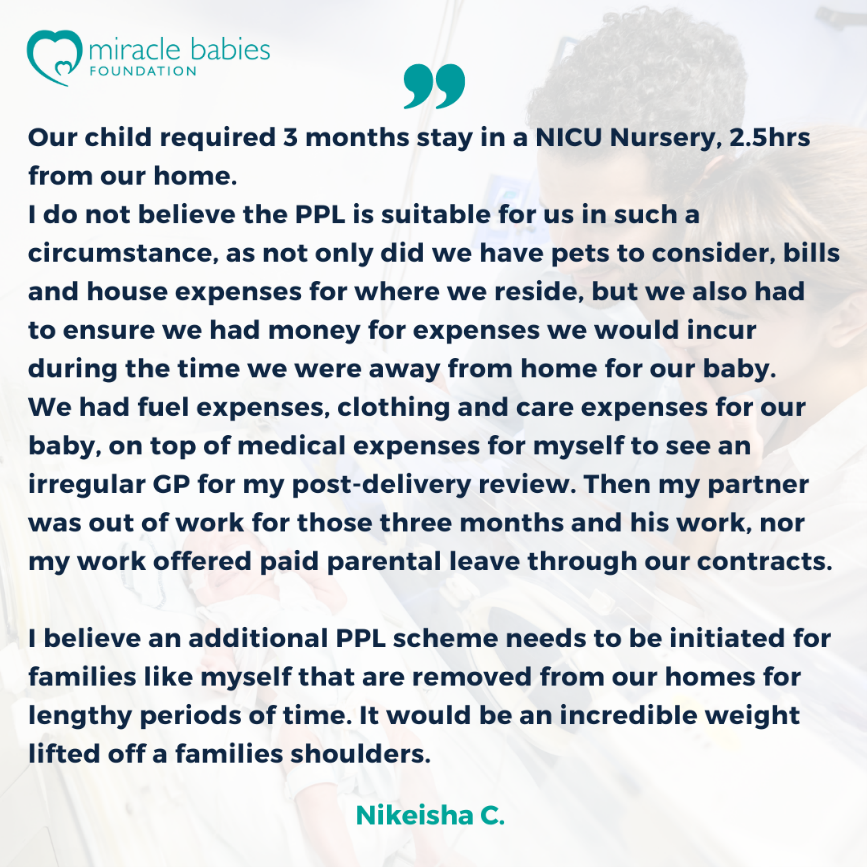
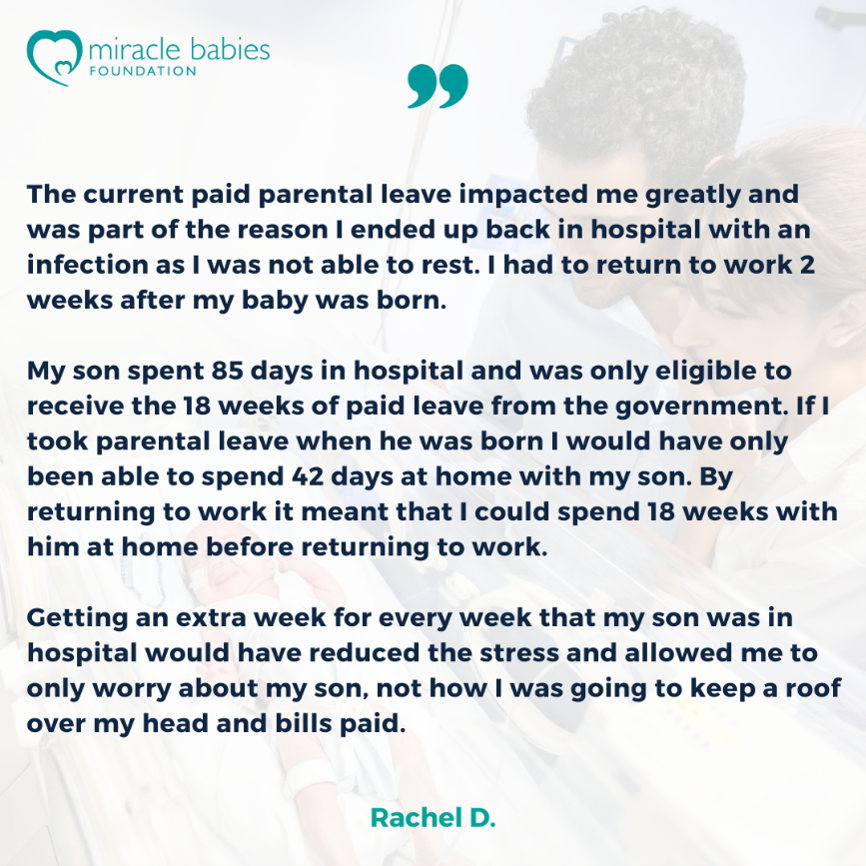
You can read more Paid Parental Leave stories HERE.
You can pledge your support for the Neonatal Critical Care Alliance Call To Action for Additional Paid Parental Leave at Pledge Your Support